
Quality Inspections
Quality Inspections
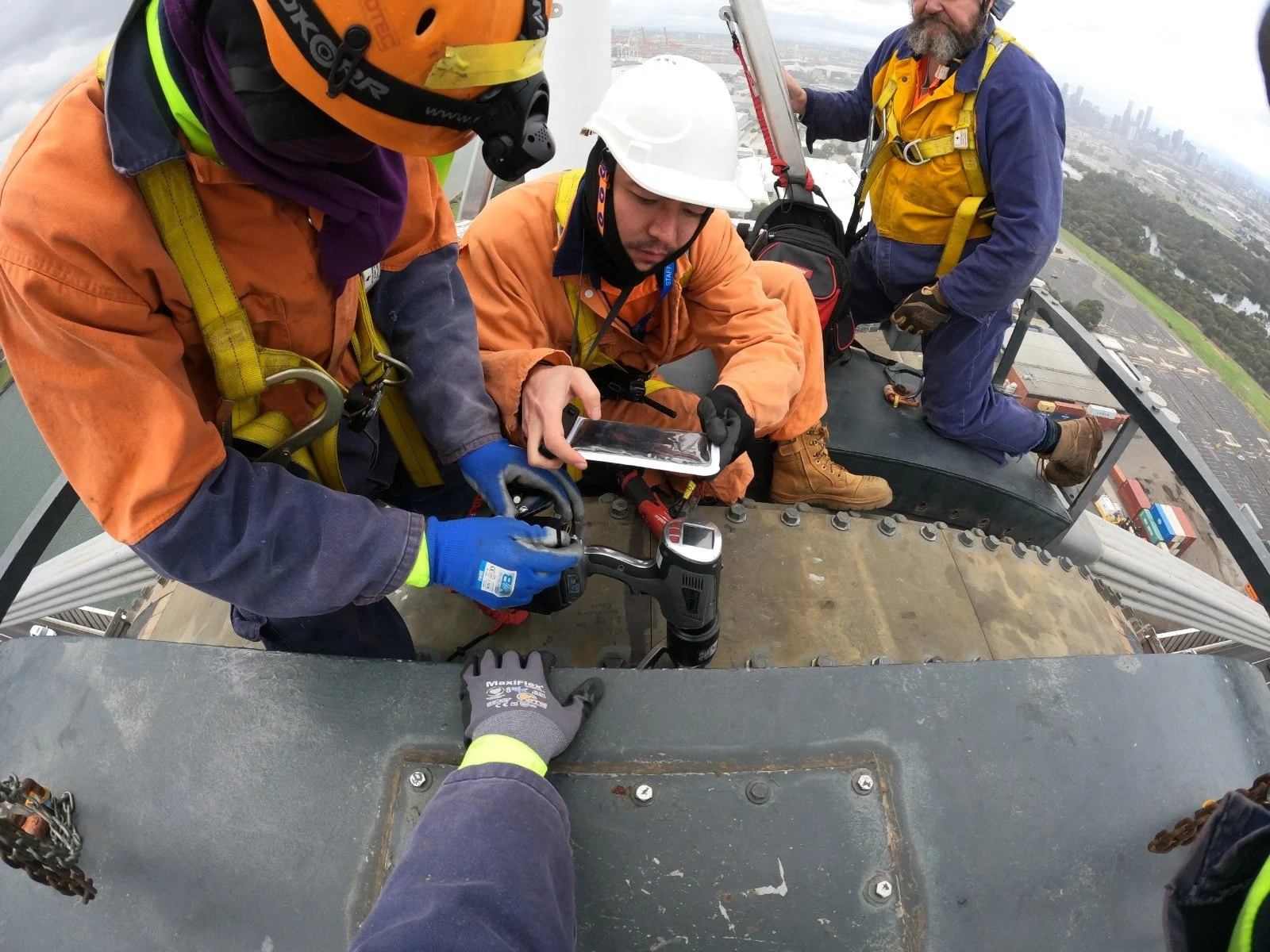
JVA Engineering have qualified engineering and welding inspectors who ensure that components match the approved design, meet required standards, and perform safely and reliably. We focus on early defect detection, verification of workmanship, and protection of long-term performance before failures become costly. Effective inspection reduces rework, maintains compliance, and builds confidence with clients
Skills & Services:
- Non-Destructive Testing (NDT)
- Welding & Fabrication Inspection
- In-Process Quality Checks
- Root Cause Analysis & Corrective Action (RCA / CAPA)
- Dimensional & Tolerance Verification
Types Of Quality Inspections
-
Non-Destructive Testing (NDT)
Our qualified inspectors can conduct various types of NDT to identify minor flaws before they become a bigger problem. We use strategies such as visual inspection, dye penetrant testing, magnetic particle inspection and radiography. These methods are well suited to welds and machined parts where small flaws which can lead to fatigue failure or loss of integrity over time.
-
Welding & Fabrication Inspection
Weld quality, joint preparation, fit-up, and fabrication practices are inspected against applicable standards and approved procedures. This ensures structural strength, consistency, and full traceability from fabrication through to final installation.
-
In-Process Quality Checks
Quality checks are performed during manufacturing rather than only at final inspection.
This allows process variation, workmanship issues, and dimensional drift to be identified early, reducing scrap, rework, and delivery delays. -
Root Cause Analysis & Corrective Action (RCA / CAPA)
When defects or failures occur, structured investigations are conducted by JVA to identify the underlying root cause rather than the immediate symptom. Corrective and preventive actions can then be implemented by our team to prevent recurrence and improve process reliability.
-
Dimensional & Tolerance Verification
Parts and assemblies are measured to verify that critical dimensions, fits, and tolerances meet drawing and specification requirements. This protects functionality, interchangeability, and assembly quality, particularly for tight-tolerance or safety-critical components.